%20good%20version.png)
New Case Study: How Knox County Schools Unified Data to Drive Strategy
Across K–12 systems, leaders often articulate a commitment to supporting the whole child. The challenge is not vision—it is infrastructure. Academic, attendance, behavior, and operational data often reside in separate systems, creating reporting bottlenecks and limiting timely intervention.
A new case study featuring Knox County Schools demonstrates what it looks like to address that fragmentation in a scalable, strategic way.
The Challenge: Disconnected Systems, Limited Agility
Like many large districts, Knox County Schools managed critical data across multiple platforms. Monthly and quarterly reports required centralized compilation and distribution, which consumed time and delayed action. While the district had strong data practices in place, leaders recognized that reporting cycles were constraining deeper, more strategic conversations.
The Solution: Unified, Role-Based Whole Child Analytics
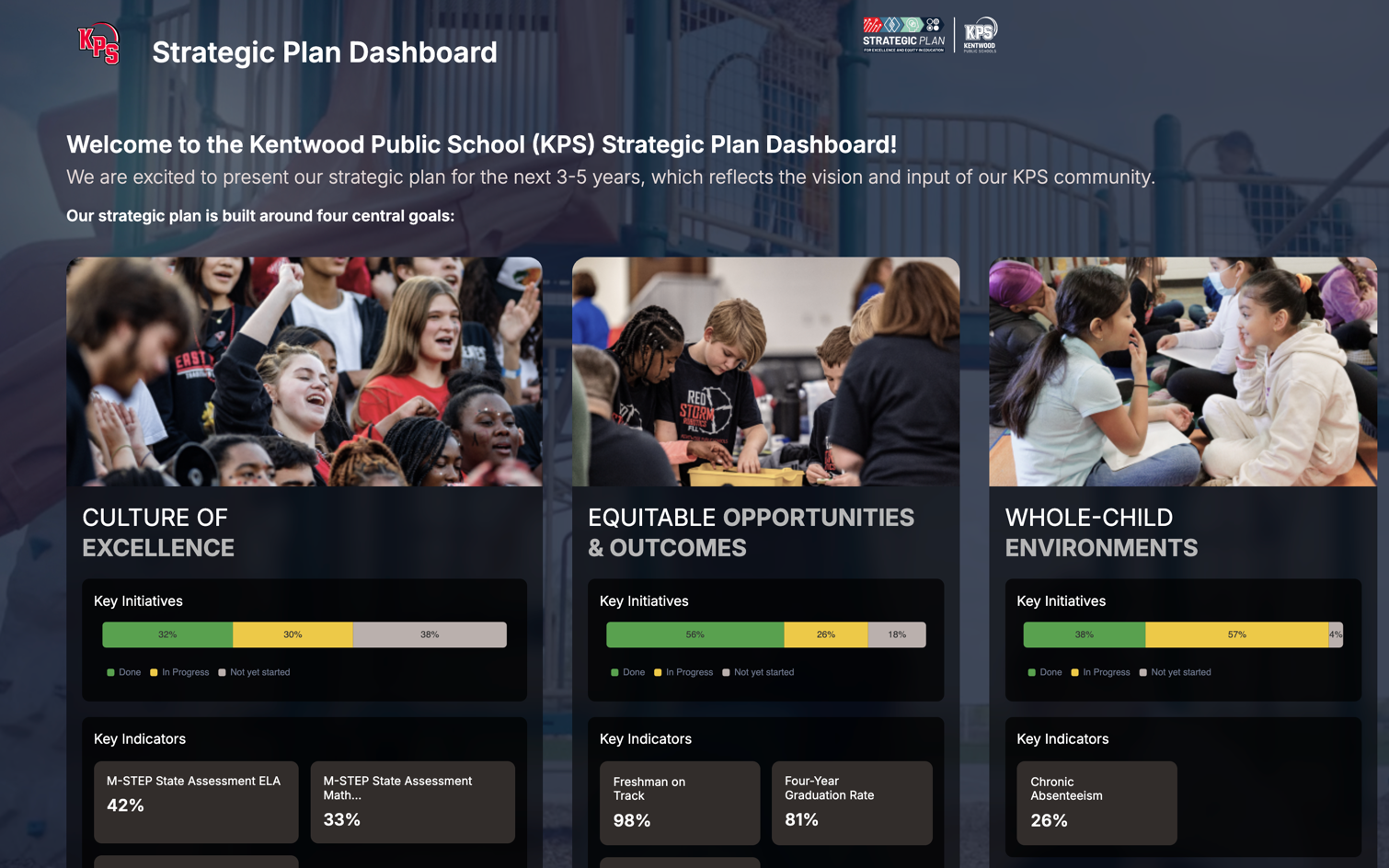
By implementing Whole Child Analytics and aligning dashboards to district priorities, Knox County unified 28 data sources into a single, trusted environment. Leaders and school teams now access role-based, real-time dashboards that support district-level oversight, school-level visibility, and drilldown analysis across key performance indicators.
The Shift: Time Saved, Conversations Elevated
Beyond system integration, the most significant change has been cultural.
As Steven Rudder, Director of Impact & Analytics, shared:
“Overall, [Whole Child Analytics] saves significant time and enables us to have deeper, more productive discussions during team and staff meetings.”
With immediate access to integrated data, meetings are no longer centered on reviewing static reports. Instead, teams focus on identifying trends, aligning interventions, and making informed decisions aligned to district goals.
Why This Matters
Knox County’s experience reinforces three core principles for districts working to strengthen data culture:
- Integrated data enables timely action.
- Role-based access increases usability and adoption.
- Real-time insight shifts conversations from reporting to strategy.
Whole child initiatives require more than strategic plans—they require analytics infrastructure that makes priorities measurable, visible, and actionable.
For districts seeking to improve MTSS responsiveness, align analytics to strategic goals, and elevate cross-functional collaboration, Knox County’s journey offers a clear example of what meaningful transformation can look like.